
By Gab Mesina and Ben Galil Te
The 64th sessions of the UNFCCC Subsidiary Bodies (SB64) in Bonn, Germany, served as a vital mid-year platform for steering global climate action. This year’s June climate meetings occur in the backdrop of war in the middle east and the monumental international conference on Transitioning Away From Fossil Fuels (TAFF). This year also welcomes the upcoming joint COP presidency between Turkiye and Australia. Standing at the interface of rigorous science and advocacy, the Manila Observatory represented by Atty. Ben Te and Engr. Gab Mesina actively engaged across several fronts.
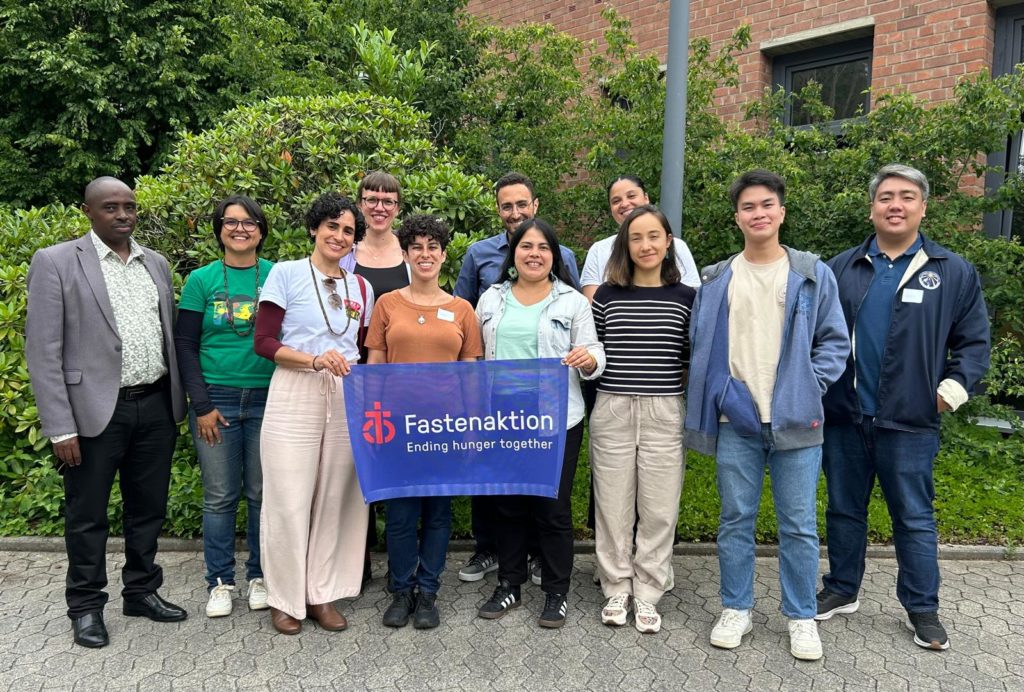
Right before the official proceedings of SB64 began, the Manila Observatory joined the Climate Advocacy Group (CAG) workshop hosted by Fastenaktion to tackle how carbon market mechanisms impact local communities. This crucial preparatory session was held in anticipation of the UNFCCC’s significant push on Article 6 negotiations. By analyzing the potential risks and safeguards necessary for carbon market approaches, the workshop laid a strategic foundation for the delegation to champion local community rights and environmental integrity.
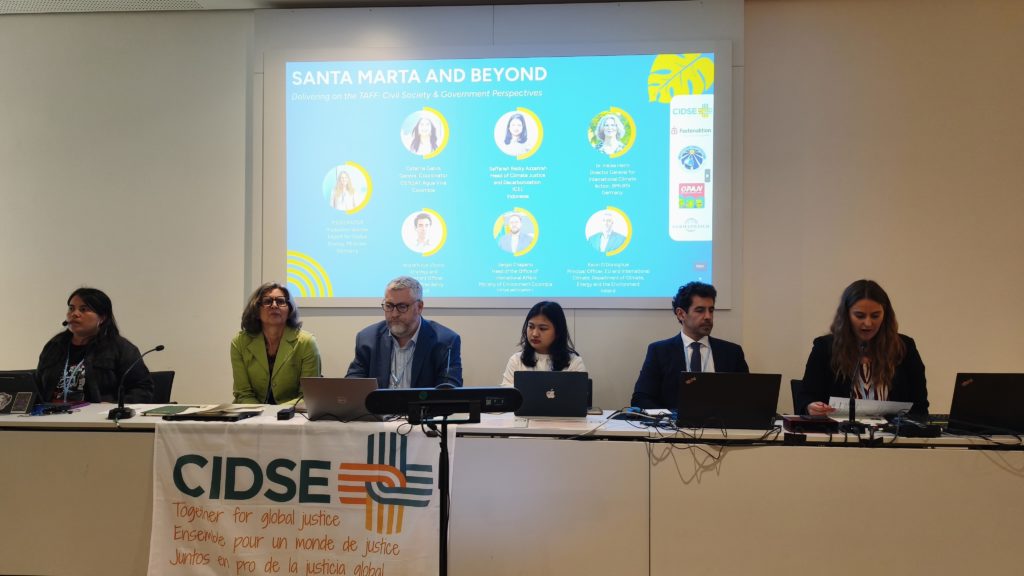
On the first day of SB64, the Manila Observatory, in partnership with Fastenaktion and other international allies, co-hosted “Santa Marta and Beyond: Delivering on the TAFF – Civil Society and Government Perspective”, a side event focusing on the outcomes of the first international TAFF conference. This session successfully bridged civil society and faith-based perspectives to advocate for an equitable phase-out of fossil fuels. By emphasizing the urgent need for a global transition away from fossil economies, the event highlighted the achievements of the first TAFF conference, the existing efforts to further the transition, and the ways forward for the so-called ‘conference of doers’.
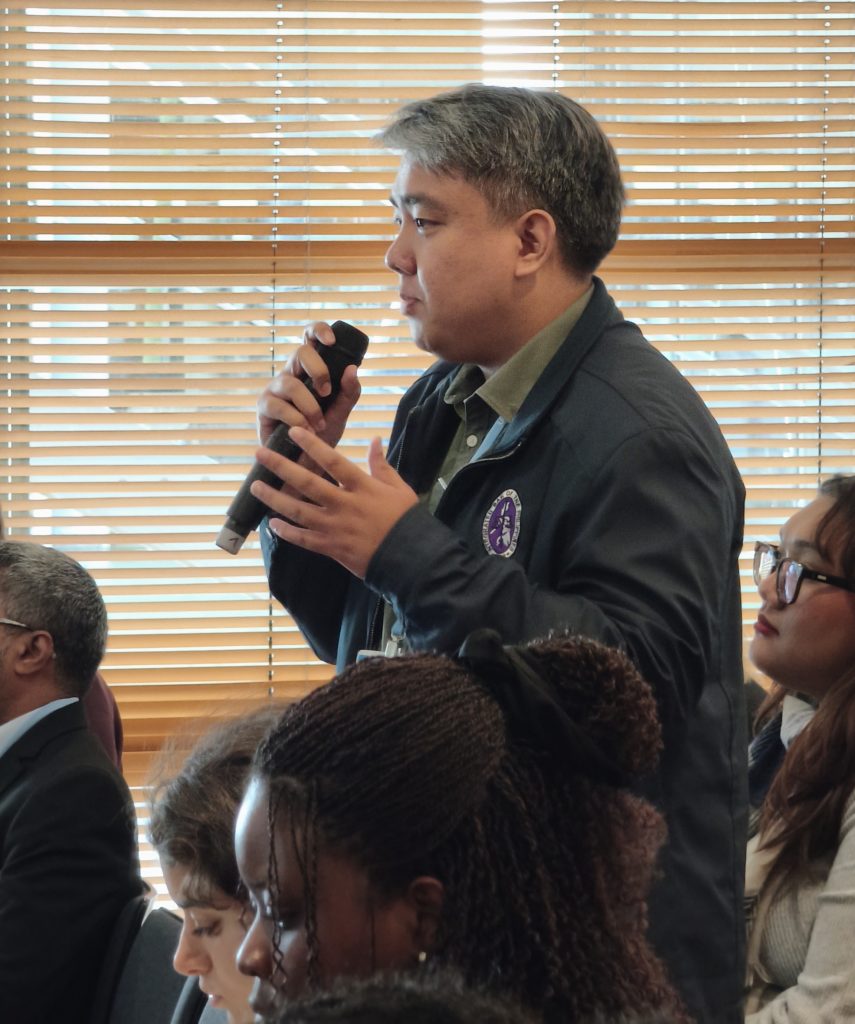
Loss and Damage (L&D) architecture is now well in its operational phase and for that reason was not included in the BS64 agenda. Nonetheless, L&D found its way into the conversation of other workstreams and side events. The Manila Observatory’s delegation provided vital ground-level insights on L&D in a side event titled “Operationalizing National Loss and Damage Funding Mechanisms”, which it co-hosted with Vanuatu and other organizations. The event showcased L&D practices from different countries. Serving as a Civil Society Organization (CSO) reactor, Atty. Te highlighted the need to recognize not only our collective responsibilities but also the need for accountability. Further, the engagement served as a reminder of the climate justice principles that should be upheld in loss and damage response.
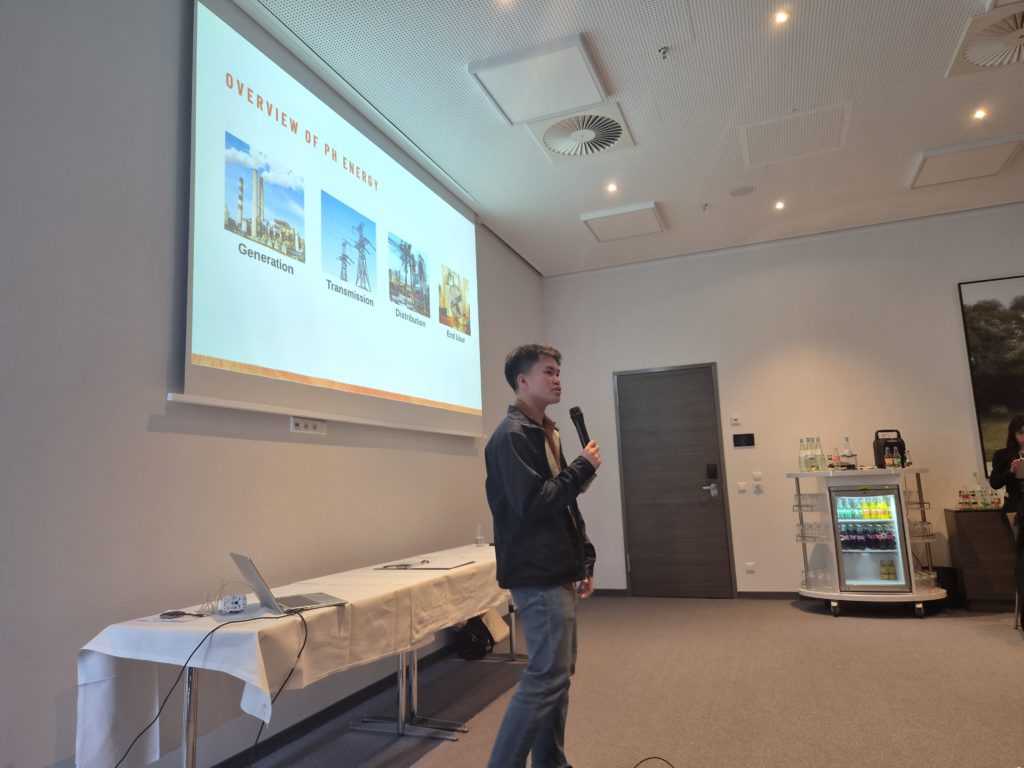
Energy security has been an especially engaging topic in the context of the US-Israel war on Iran. The “Energy Security Learning Forum” organized by Better Climate Governance served as an avenue for discussions on different national contexts on energy security and its relation to international climate efforts. Engr. Mesina shares that in the Philippine context, energy security and transitioning away from fossil fuels are almost synonymous. The short presentation also highlights the shortcomings in the domestic transition and how the transition must center peoples and communities to truly be successful.
Climate talks at the international level also creates space for Philippine civil society to engage with the national government. Prior to SB64, Manila Observatory took part in a multi-sectoral stakeholder consultation organized by the Climate Change Commission where representatives from civil society conveyed their expectations on how the Philippine delegation should position itself on different workstreams and issues. In the midst of SB64, Aksyon Klima Pilipinas, as the leading civil society network for climate action in the Philippines, was able to organize two coordination meetings for Philippine civil society organizations to unify positions, facilitate cooperation, and deepen the discussions among the attending organizations. This culminated in a meeting between civil society organizations and the Philippine delegation, where not only the status of international climate negotiations were discussed but also the state of climate action at the domestic level.
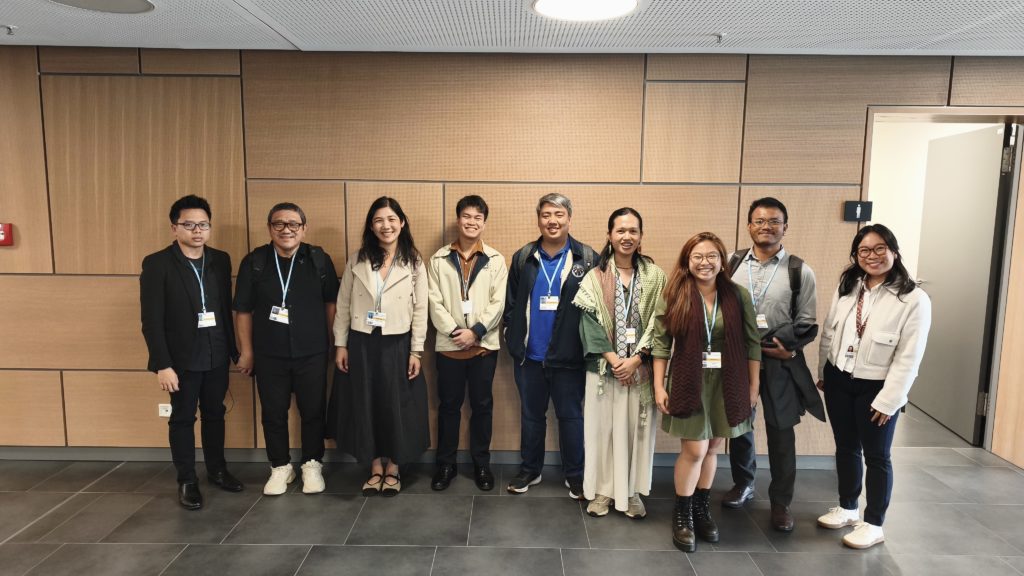
Advocacy work at SB64 goes beyond monitoring negotiations and participating in side events. The venue also provides opportunities for the Manila Observatory to expand its network and reach with different organizations and stakeholders for the purpose of advancing its work. This allows the Manila Observatory to amplify the impact of its advocacies by collaborating with diverse groups. These engagements include bilateral discussions with international faith-based organizations, academic researchers, technical experts, and fellow human rights and climate justice activists.
The Manila Observatory’s participation in SB64 offers a sobering reality check: international and national climate action cannot be an exercise of compliance or profit-seeking. Rather, climate action must be deeply reflective of the needs and concerns of communities on the ground. Carbon market approaches, loss and damage response, and transition efforts cannot be deemed just or successful if they fail to center their approaches on the people. Ultimately, this shifts the benchmark of success away from the negotiations and pledges in Bonn to actual implementation on the ground. For the Manila Observatory, there is still a long way to go for states to realize truly people-centered climate efforts. Yet, there are glimmers of hope, such as the historic TAFF conference and the continued determination of climate justice advocates, which we must carry forward to COP31 in Türkiye later this year.