by Christine R. Mapa
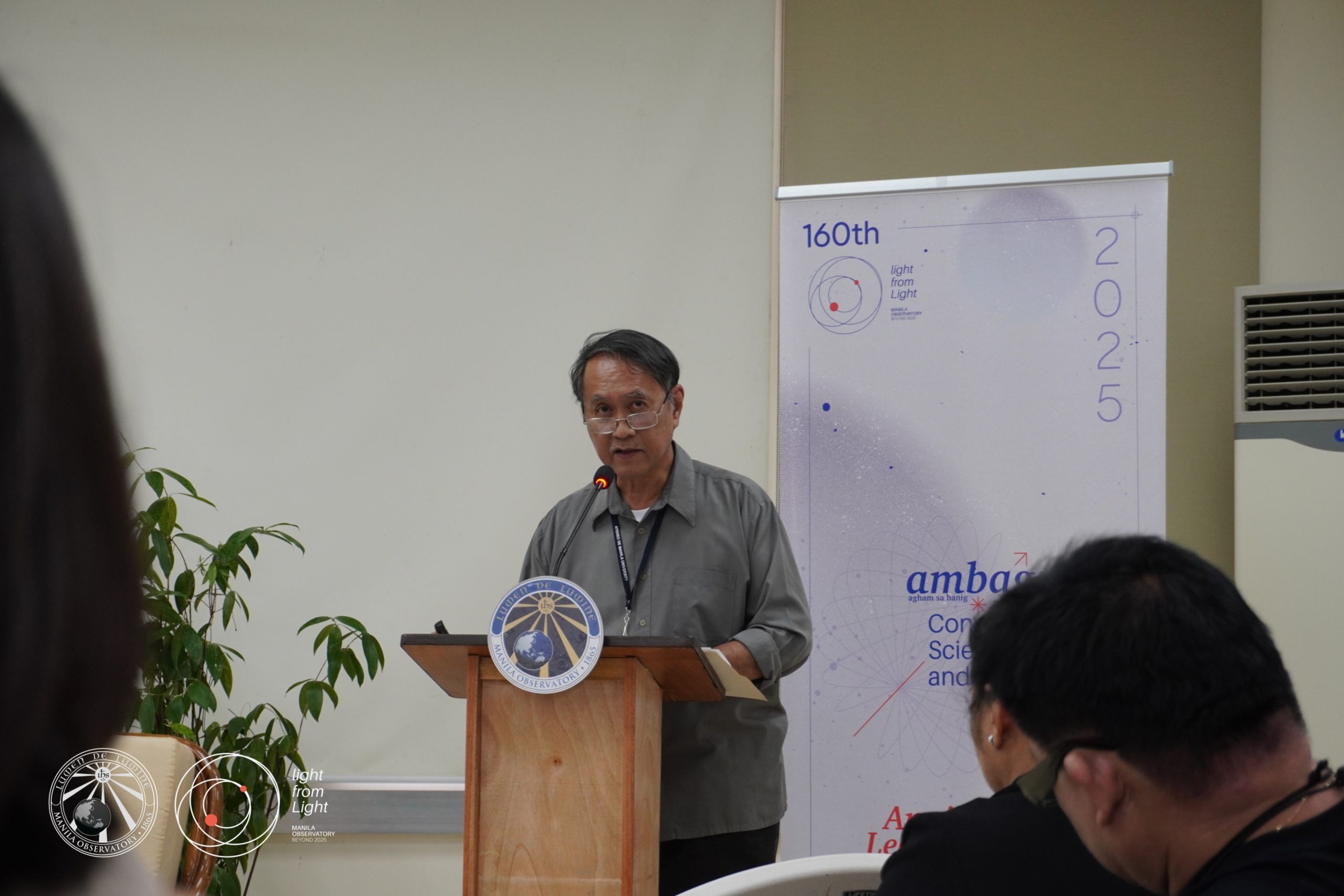
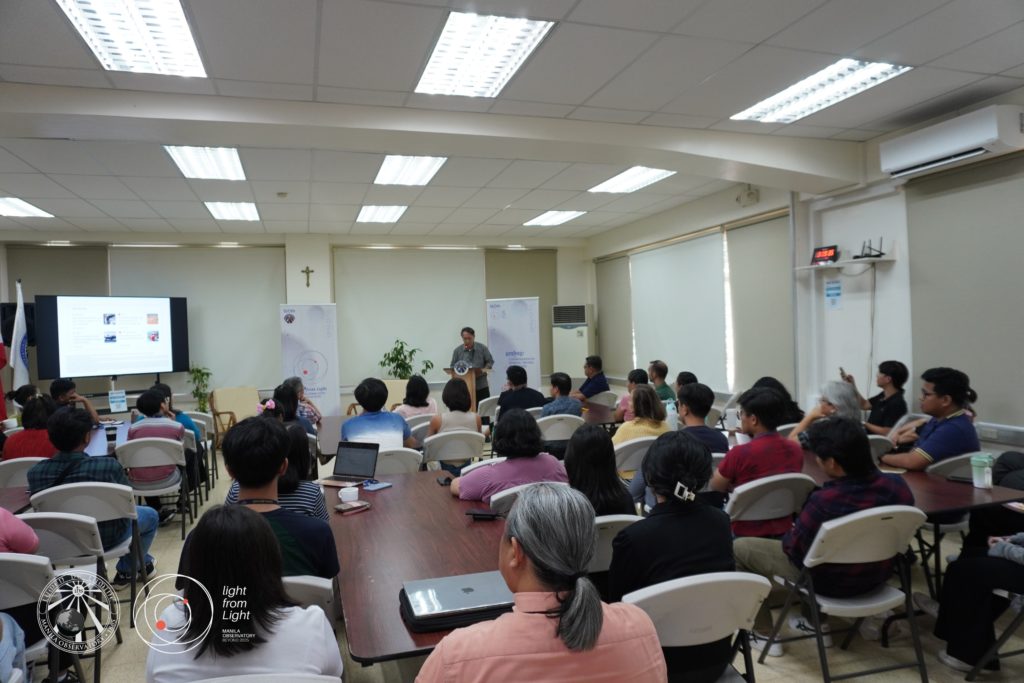
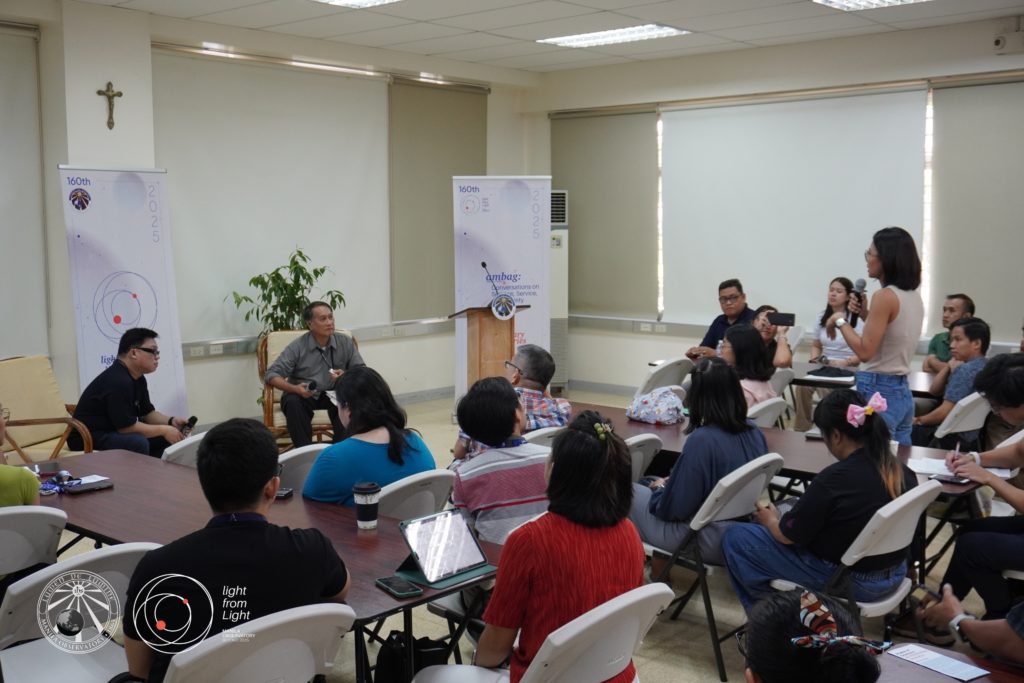
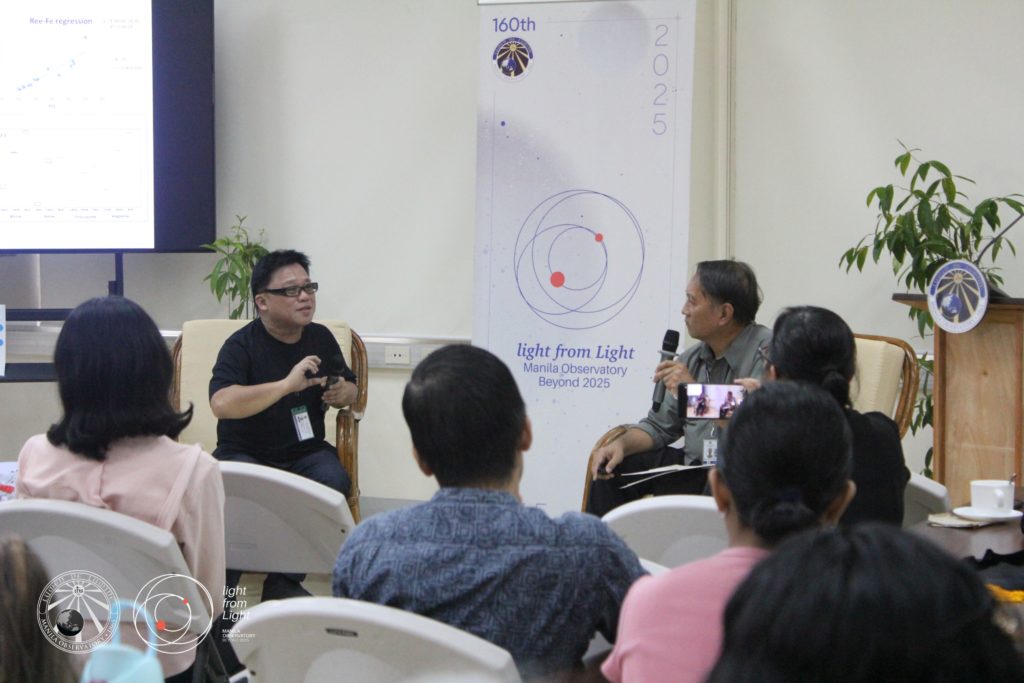
The Manila Observatory continued its 160th celebration with the third installment of the AmBag Anniversary Lecture Series on June 20, 2025. The talk featured Dr. Rene Claveria of the Ateneo de Manila University’s Environmental Science Department, who highlighted the resource potential and environmental implications of rare earth elements (REEs) in the Philippines.
WHAT ARE THEY?
Dr. Claveria described REEs as crucial ingredients in modern technology. Everything high-tech — from smartphones to electric vehicles, to wind turbines and even missiles — wouldn’t exist without them. “Apparently, for now, there are no alternatives,” he remarked. This has made REEs a critical piece in the global trade wars, especially since China is currently the only country with the capacity to extract and process them in their pure form.
In addition, contrary to what their name may suggest, he clarified that REEs themselves were not rare. But unlike other minerals, they do not occur in large quantities in specific sites. Instead, they tend to be spread out in different rock types, which makes extracting them difficult.
THE STATE OF REEs IN THE PHILIPPINES
According to the speaker, geological surveys from the 1970 to 1980s have already identified potential areas of REEs in the Philippines, most of which are in Palawan. Despite this, his study focused on the occurrences of REEs in the copper, gold, molybdenum mines of Didipio and Runruno in Nueva Vizcaya.
One of the most interesting findings he shared is that based on crustal abundances, the REE values found in these mining sites do not show significant differences from those in China and the United States. “Such abundance differs in the very few occurrence of REEs in the copper, gold deposits in other places like Lepanto in Benguet,” he further explained. He attributed this difference to the fact that the deposits in Didipio and Runruno were hosted by alkaline rocks, in contrast to the calc-alkaline rocks of the Lepanto mines.
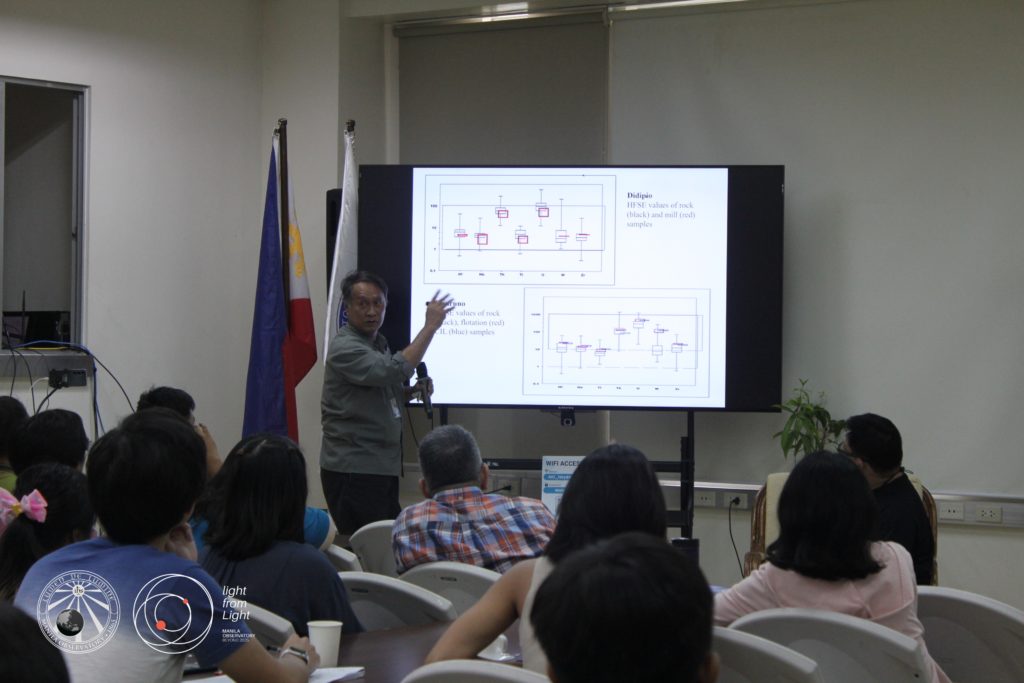
With this, the speaker said that REEs could be a potential byproduct of the extraction and milling of copper, gold, and molybdenum ores. He described a milling process called flotation, where heavy and light REEs could be collected from the mineral ores and the waste materials respectively. “Iprocess natin ang metals, may makukuha tayong REEs. (If we process the metals, we can obtain the REEs).”
But as previously mentioned, no other country has the capability to process REEs aside from China. Despite this, Dr. Claveria believed in value-adding — this meant that by simply knowing how much REEs were present in our mineral exports, the Philippines may be able to price and sell them at a higher market value than usual.
Still, the speaker said that there needs to be more research conducted on REEs in the Philippines. One area of study that could be explored locally is the presence of REEs in the soil horizon through the weathering process of the bedrock. This could possibly end up as another resource potential for REEs in the Philippines. Another area worth exploring is the significantly high values of radioactive minerals like uranium and thorium in samples with high REE values.
REEs VERSUS THE ENVIRONMENT
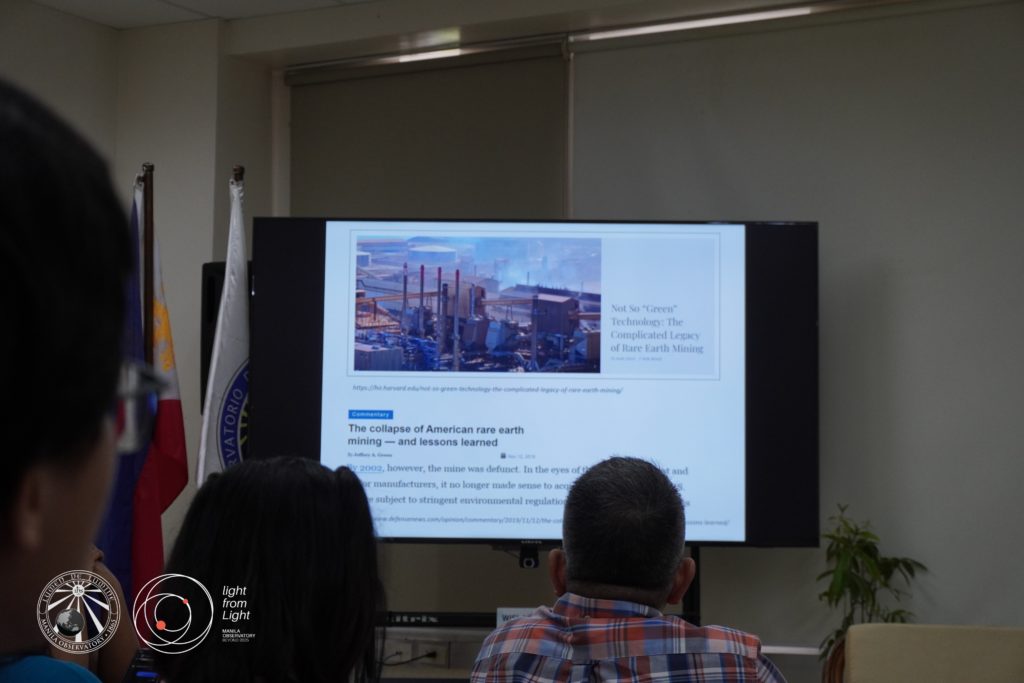
In spite of the potential significant economic impacts of REEs, the speaker also noted the irony with REEs. They’re crucial to the development of green technology, but in acquiring them, “there is a need to destroy what is meant to be preserved.”
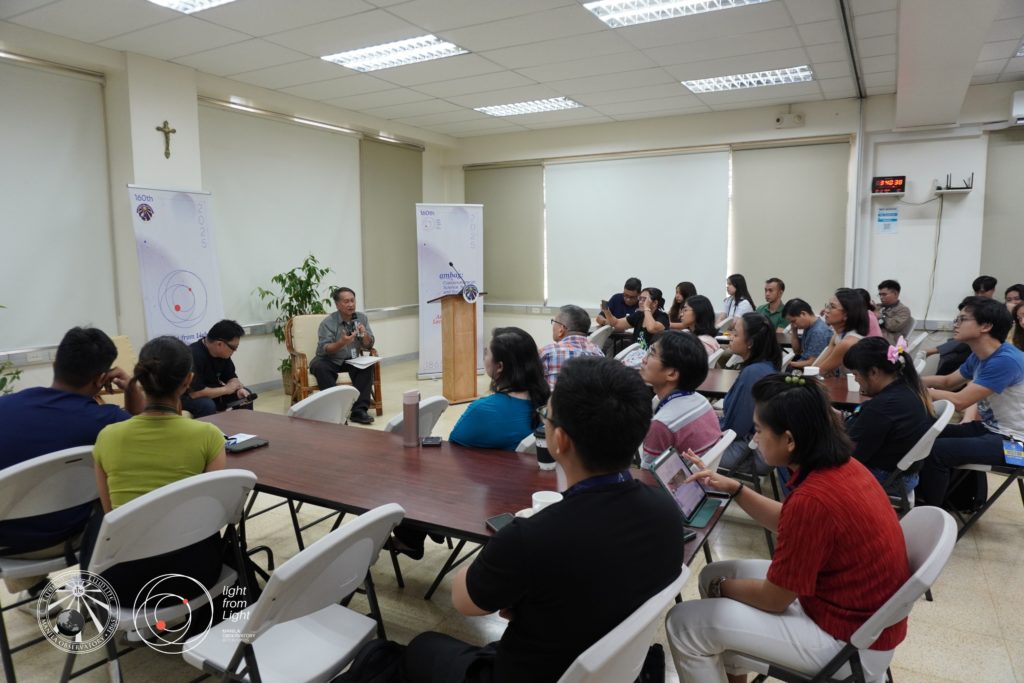
He reiterated that the possible presence of uranium and thorium in the mill residue from copper-gold mines could pose serious health and environmental problems, especially with the history of tailings ponds spilling over and contaminating aquatic and terrestrial ecosystems. The Harvard International Review article he shared during his lecture also cited the Bayan-Obo mine in China, which has produced over 70,000 tons of radioactive thorium in its tailing pond.
The conversation further pivoted to the topic of implementing a moratorium on mining activities, with the speaker further reiterating that he still saw a need to further strengthen mining regulations. Manila Observatory’s Executive Director Fr. Jett Villarin also weighed in on this topic, saying that governance, with the inclusion of the public, is the key to addressing the issue of mining activities.
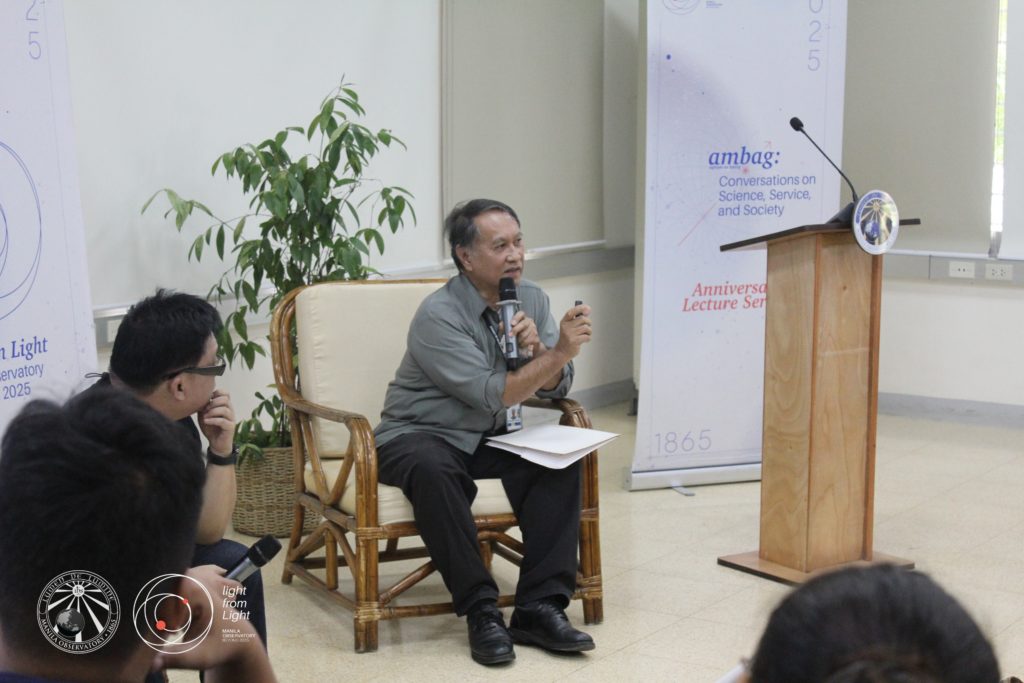
Dr. Claveria also touched on phytoremediation, one of his other research interests, as a way to revive abandoned mining sites. As he explained, there have been studies about certain plants that can absorb REEs, which could help rehabilitate mining sites or even serve as indicators of possible resource areas.