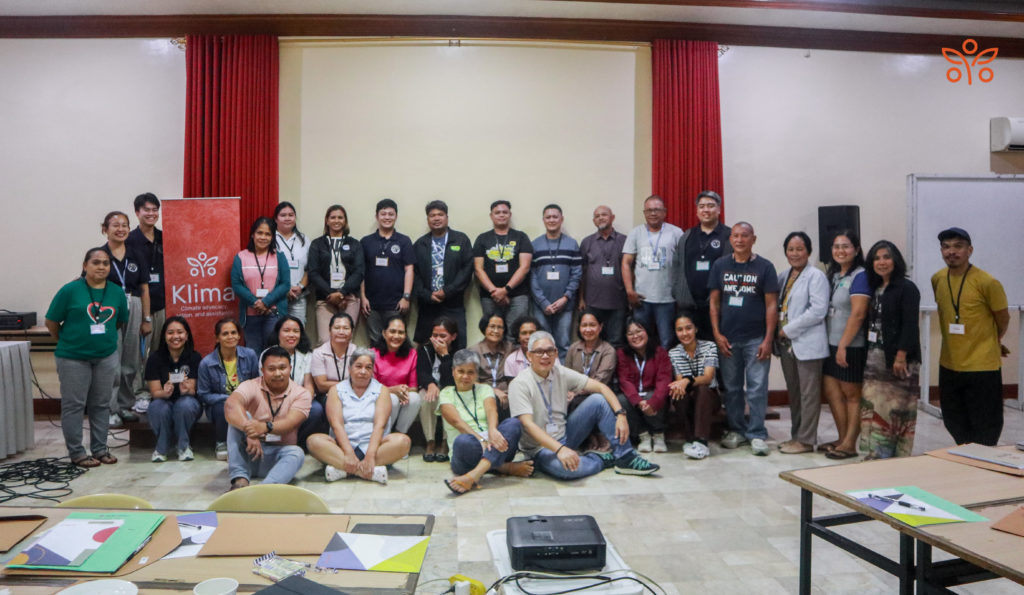
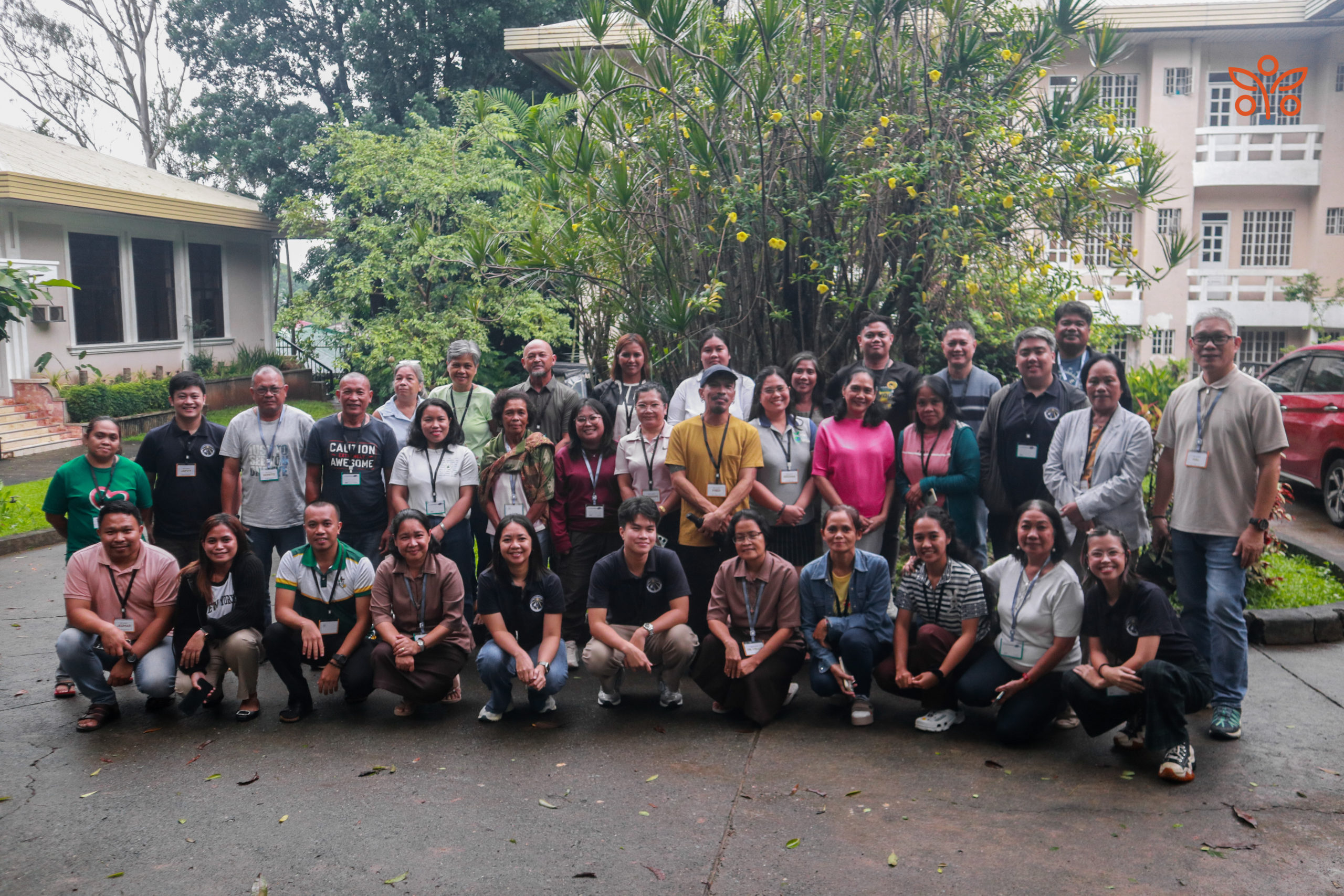
Last July 23-25, 2025, the Klima Center of Manila Observatory, together with the Fastenaktion Programme Coordination Unit in the Philippines, held a Capacity Building Workshop entitled “Climate Justice through Just Transition and Loss and Damage” at the St. Michael Retreat Center in Antipolo City. The workshop was attended by Fastenaktion’s partner organizations from all over the Philippines representing grassroots and community-based organizations, from faith-based groups, indigenous rights advocates, farming and fisherfolk organizers, and human rights defenders.
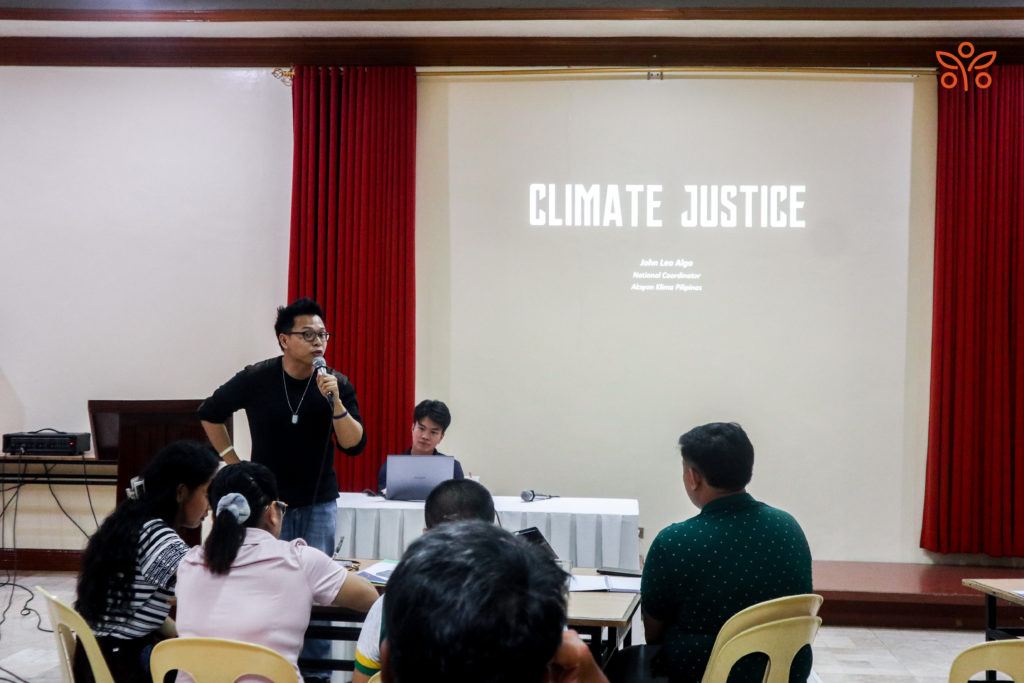
Climate Justice was the central theme of the workshop. JL Algo, National Coordinator of Aksyon Klima Pilipinas, gave an overview of the current state of the climate crisis globally and provided the participants with the foundations for understanding climate justice and advocacy. Issues surrounding the access to the People’s Survival Fund was also briefly discussed by Engr. Gab Mesina of the Klima Center.
An Introduction to Loss and Damage was given by Atty. Ben Te of the Klima Center where the basic concepts of the third pillar of climate action were introduced, including a discussion on the international Loss and Damage landscape, key challenges to responding to loss and damage, and how it relates to climate justice. Dr. Lau Jamero, Klima’s Senior Scientist for Climate Resilience, then shared studies on how loss and damage manifests in the Philippine context, particularly on small-island communities. Participants took the opportunity to share how loss and damage is understood, not only through their local language, but also through the lived experiences of their respective communities.
Atty. Jayvy Gamboa, Klima’s Assistant Director for Policy and Governance, also gave an Introduction to Just Transition which touched upon its basic principles as well as key issues and challenges. To give the participants a more in-depth and nuanced understanding of Just Transition, the workshop featured a panel discussion to elaborate on sector-specific just transition impacts and issues.
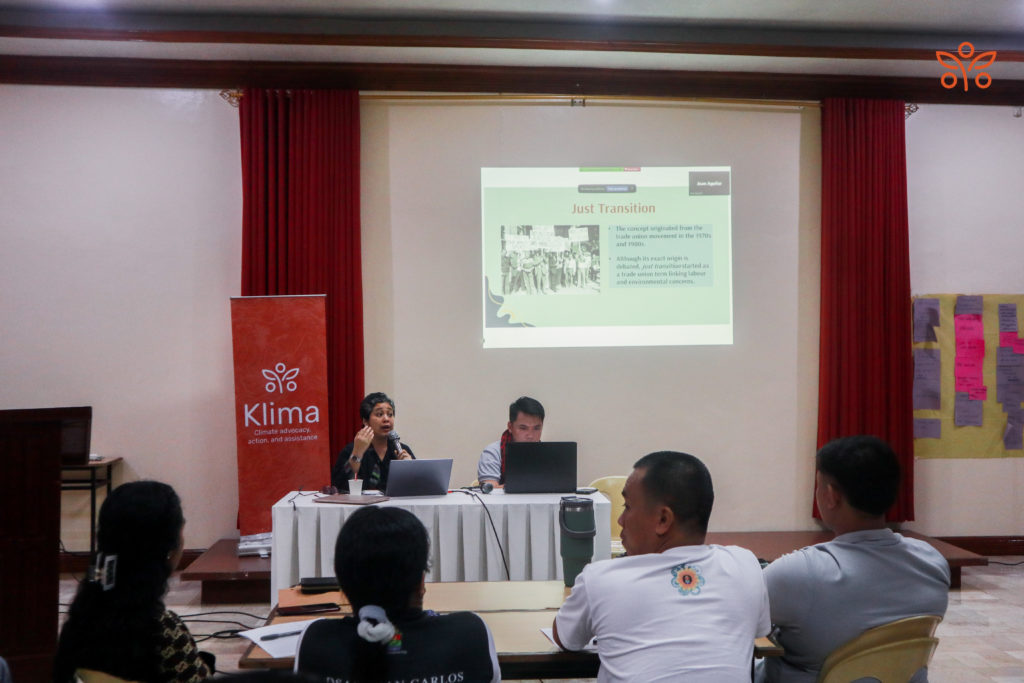
The panel included Anne Colina from the Federation of Free Workers as representative of the labor sector, Alen Espinoza from REBOOT Philippines for the energy sector, and Joan Aguilar from the National Confederation of Transport Workers Union for the transport sector. Each panelist highlighted how just transition affects the sectors they represent, how these issues overlap often resulting in conflicting interests even among vulnerable groups, but are nonetheless in the collective interest of society as a whole.
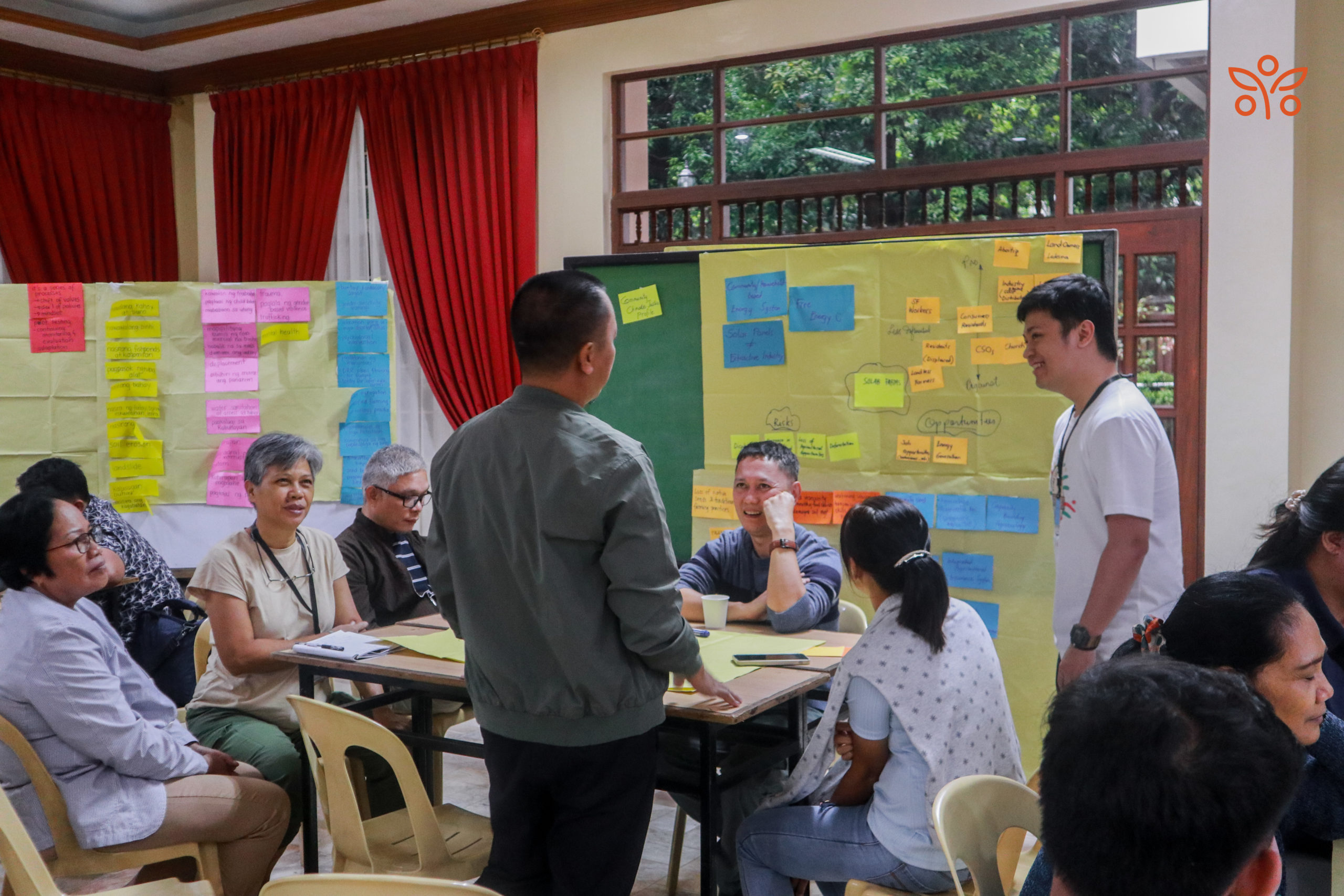
To cap off the conceptual discussions of the workshop, Atty. Jayvy Gamboa mapped out the interplay of Just Transition and Loss and Damage and how they are related to the broader goals for climate justice. Discussions on these topics were interspersed with breakout sessions that allowed participants to identify real and potential loss and damage and just transition experiences in their respective communities and sectors.
Participants were then able to craft a climate justice community profile for some of the communities that they represent. The climate justice community profile reflects the climate issues that the community face, the relevant stakeholders and actors, and their overall vision for how they perceive climate justice may be realized in their identified communities. Some of the chosen communities for this exercise included those from the Municipalities of Calatrava (Negros Occidental), Infanta (Quezon), Lao-ang (Northern Samar), and Bantayan Island in Cebu.
The event culminated in an advocacy training that sought to translate conceptual understanding to real climate action. A monitoring, documentation, and communication module was given by Aya Santos, Partnership and Movements Coordinator of Klima Center, where participants were equipped with the tools to turn day-to-day realities and lived climate issues to analyzable data as well as relatable stories of human experiences.
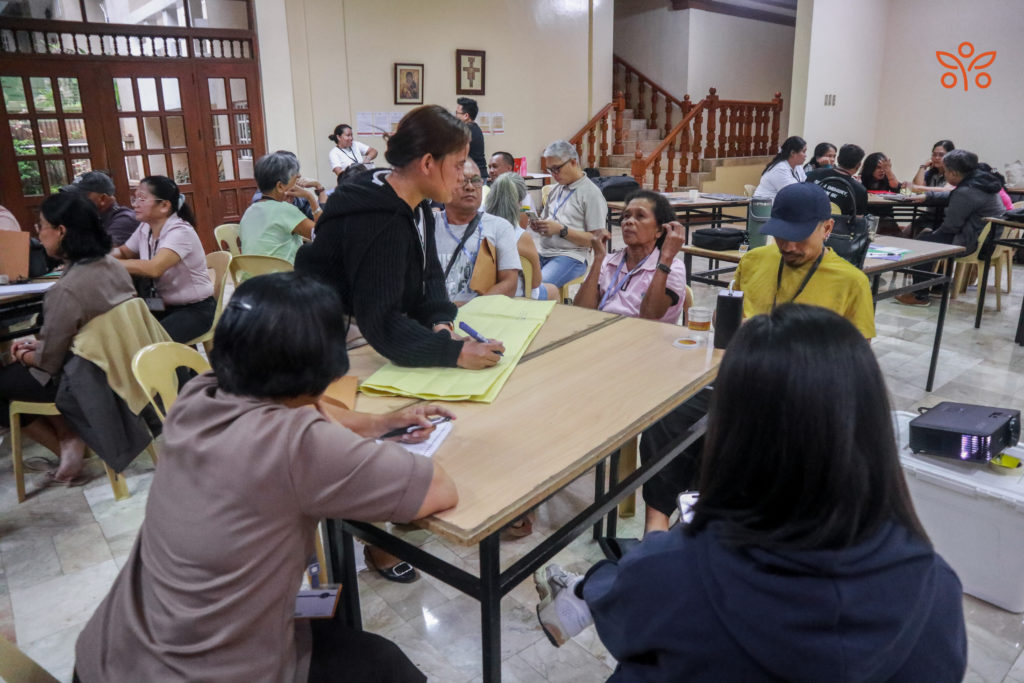
Atty. Kaloi Zarate, former party-list legislator and Klima’s Senior Legal Consultant, then shared his extensive knowledge on movement building through a module on climate action and engagement. Atty. Zarate gave practical insights on how to engage with stakeholders and institutions, discussed the various forms of action available to climate advocates, and stressed how success should be measured through the sustained creation of a grassroots-led climate justice movement.
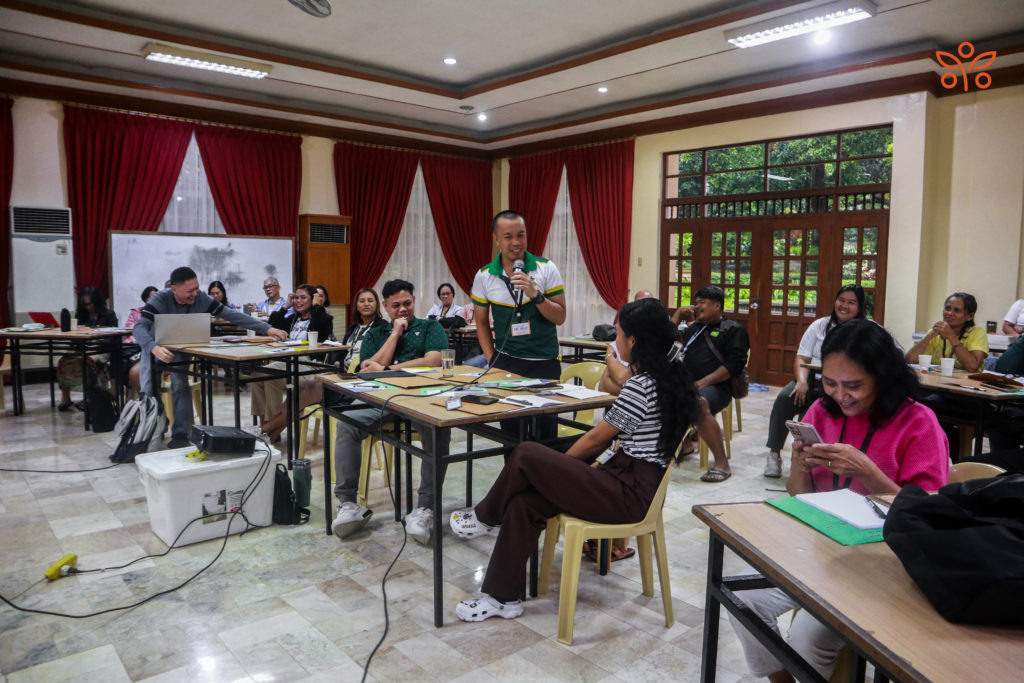
In a final exercise, the participants crafted a simulated climate advocacy plan, drawn from the climate justice community profile, where they identified potential steps towards fulfilling their vision for climate justice in their respective communities. The outputs from this exercise show that the participants have not only gained new knowledge throughout the course of the workshop, but that they have also developed an even greater commitment to serve their communities through climate advocacy.
The workshop allowed the participants to share their experiences on how their communities are affected by the climate crisis and the various forms of climate action that they are already involved in. Through this knowledge and experience sharing forum, the participants were not only introduced to the foundational theories on climate issues, but were also equipped with the necessary tools of practice that can allow them to sharpen their skills and develop their existing climate advocacy work.
The workshop’s aim is to build on the community-level experiences of climate advocacy, sharpen the shared understanding of climate issues, and to develop the practice of climate action of the participating organizations. Ultimately, the continuous development of the theory and practice of climate action at the grassroots level can potentially serve as the seeds of hope towards the realization of climate justice for all.